Introduction
Premenstrual syndrome can chip away at more than your mood. Cramps, bloating, headaches, and exhaustion often show up alongside irritability or anxiety in the days before your period, making work, sleep, and relationships harder to manage.
According to the American College of Obstetricians and Gynecologists, at least 85% of menstruating women experience at least one PMS symptom during their cycle.
Homeopathic medicines are one option some people explore for symptom support. But "natural" doesn't automatically mean risk-free or proven effective. Your symptom severity, medical history, current medications, and the possibility of premenstrual dysphoric disorder (PMDD) should all shape your decision.
This article compares homeopathic remedy categories, walks through traditional symptom-based selection, and covers supportive lifestyle measures. It also explains what to check on a product label—and when to talk to a healthcare professional instead of reaching for another remedy.
Key Takeaways
- PMS means recurring physical and emotional symptoms before a period; severe mood disruption may point to PMDD and needs evaluation.
- Homeopathy is not the same as herbs, vitamins, or conventional drugs, and evidence for effectiveness is limited.
- Individualized remedies and combination OTC products meet different needs—neither is universally best.
- Check labels, ingredients, and warnings; see a professional for severe, new, or complicated symptoms.
What Is PMS and Where Do Homeopathic Remedies Fit?
The Office on Women's Health defines PMS as a combination of physical and emotional symptoms that appear after ovulation and before a period, typically fading within a few days once bleeding starts. It's a pattern, not a single symptom.
Common symptoms include:
- Cramping, bloating, breast tenderness, headaches, or backaches
- Fatigue, appetite changes, or food cravings
- Irritability, anxiety, sadness, or crying spells
- Sleep disruption and trouble concentrating
Experiences vary widely from person to person and cycle to cycle.
PMS vs. PMDD
PMDD is a more severe condition. The Office on Women's Health describes it as involving intense irritability, depression, or anxiety that can affect relationships and interest in daily life.
If you're experiencing severe depression, thoughts of self-harm, or an inability to manage daily responsibilities, seek professional assessment rather than self-treating with any remedy. In the U.S., you can call or text 988 for the Suicide & Crisis Lifeline.
Homeopathy Isn't Herbs or Supplements
When people look for natural PMS support, homeopathy often gets grouped with herbs and supplements. The three categories work differently:
- Homeopathy relies on highly diluted preparations selected through symptom-matching, based on the principle that "like cures like."
- Herbal products contain plant-derived compounds that can have measurable biological activity.
- Supplements provide defined nutrients such as vitamins or minerals.
They are not interchangeable, and each carries its own safety considerations.
The National Center for Complementary and Integrative Health states there's little evidence that homeopathy effectively treats any specific condition, and no homeopathic products currently carry FDA approval. Traditional use within homeopathic practice is not the same as clinical proof.

Types of Homeopathic Medicines and Remedies for PMS
There's no single "best" homeopathic remedy for PMS. What fits depends on your symptom pattern, the product's formulation, and your comfort with self-selection versus guided care. No option here should be treated as a guaranteed fix.
Individualized Single-Remedy Homeopathy
Traditional homeopathic practice doesn't start with a diagnosis — it starts with a detailed symptom picture: physical complaints, emotional state, timing, triggers, and what makes symptoms better or worse. A practitioner then matches that picture to one remedy.
Historical materia medica texts describe traditional symptom associations for several remedies often discussed in PMS contexts:
| Traditional Remedy | Historically Associated Symptoms |
|---|---|
| Sepia | Irritability, being easily offended, lower-abdominal discomfort |
| Pulsatilla | Sadness, tearfulness, abdominal fullness |
| Lachesis | Sadness, restlessness, reluctance to socialize |
| Nux vomica | Irritability, sensitivity, digestive upset |
| Natrum muriaticum | Low mood, aversion to consolation |
These are historical descriptions from homeopathic tradition, not evidence of PMS effectiveness. This approach may appeal to people who want practitioner-guided, personalized care.
The trade-offs are real: self-matching symptoms is difficult, a qualified consultation takes time and money, and clinical effectiveness remains uncertain.
If symptoms are persistent or complex, seek professional guidance — homeopathic or medical — rather than guessing at potency and dosing on your own.
OTC Combination Products
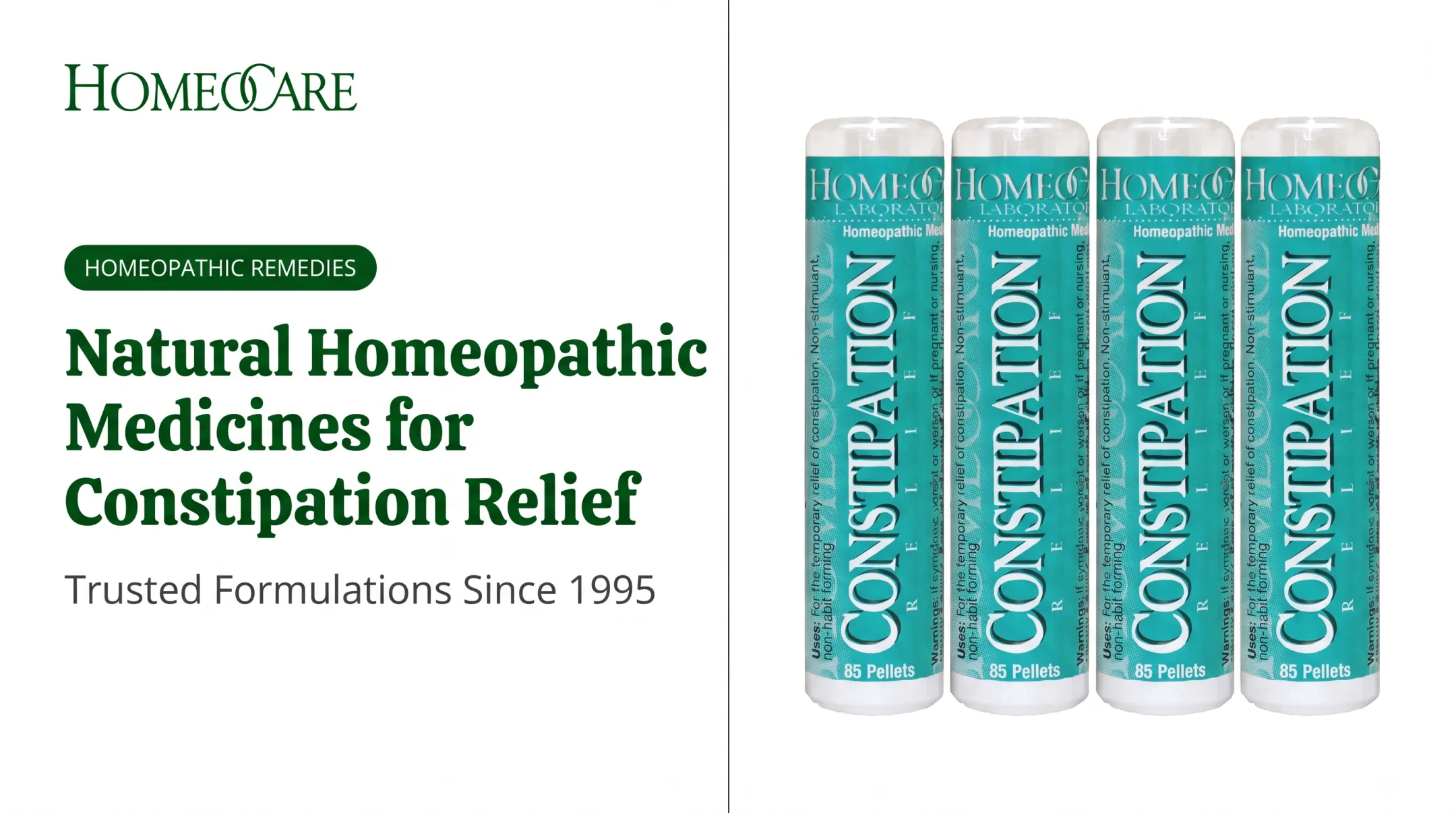
Combination products bundle multiple homeopathic ingredients into one formula, often labeled around a symptom cluster like mood changes, cramping, or bloating — rather than requiring an individual consultation.
Before buying one, check:
- Active ingredients and listed dilutions
- Inactive ingredients, including fillers, sweeteners, and allergens
- Directions for use and any age restrictions
- Warnings, lot number, and expiration date
- Manufacturer contact details and problem-reporting instructions
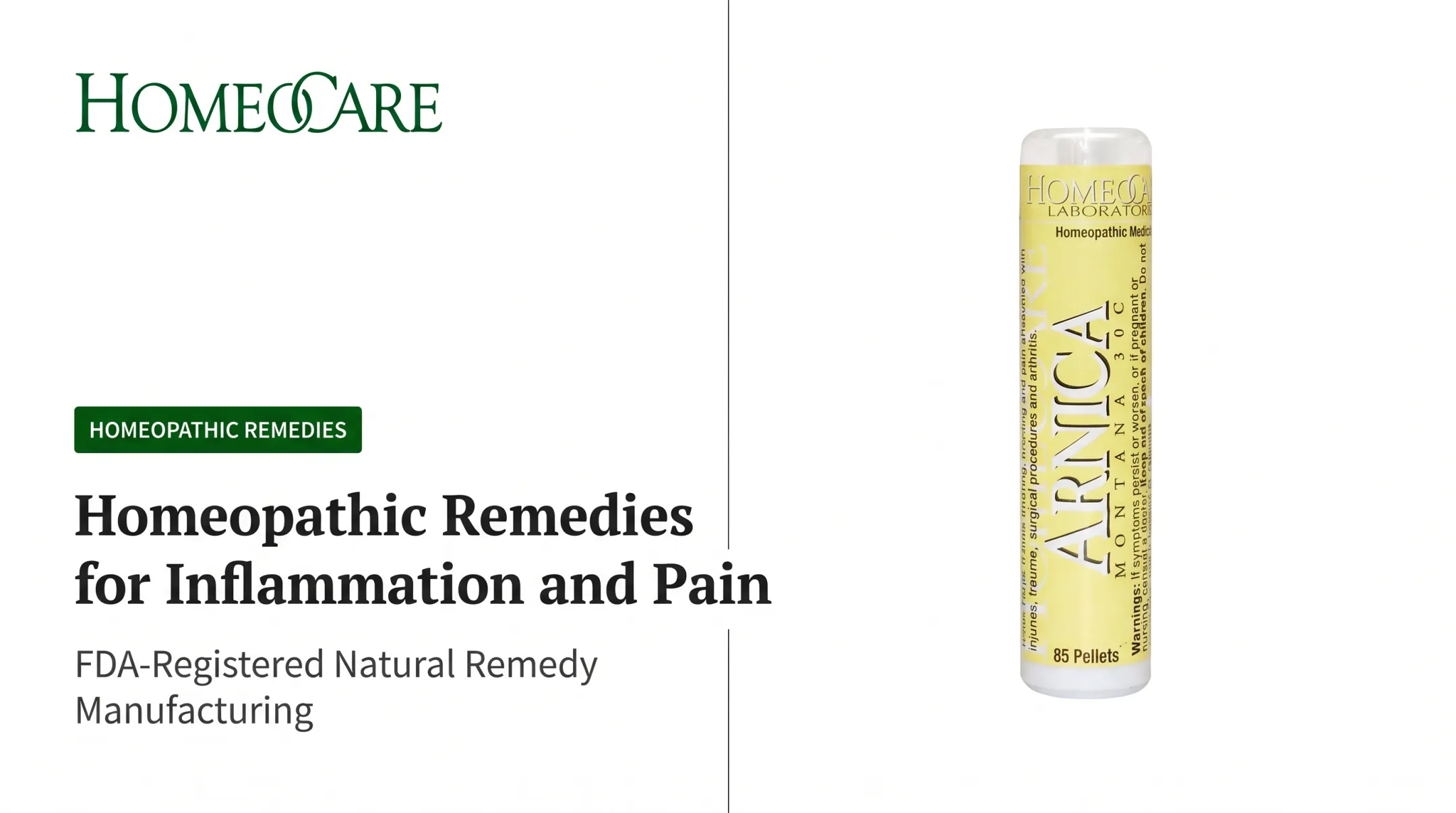
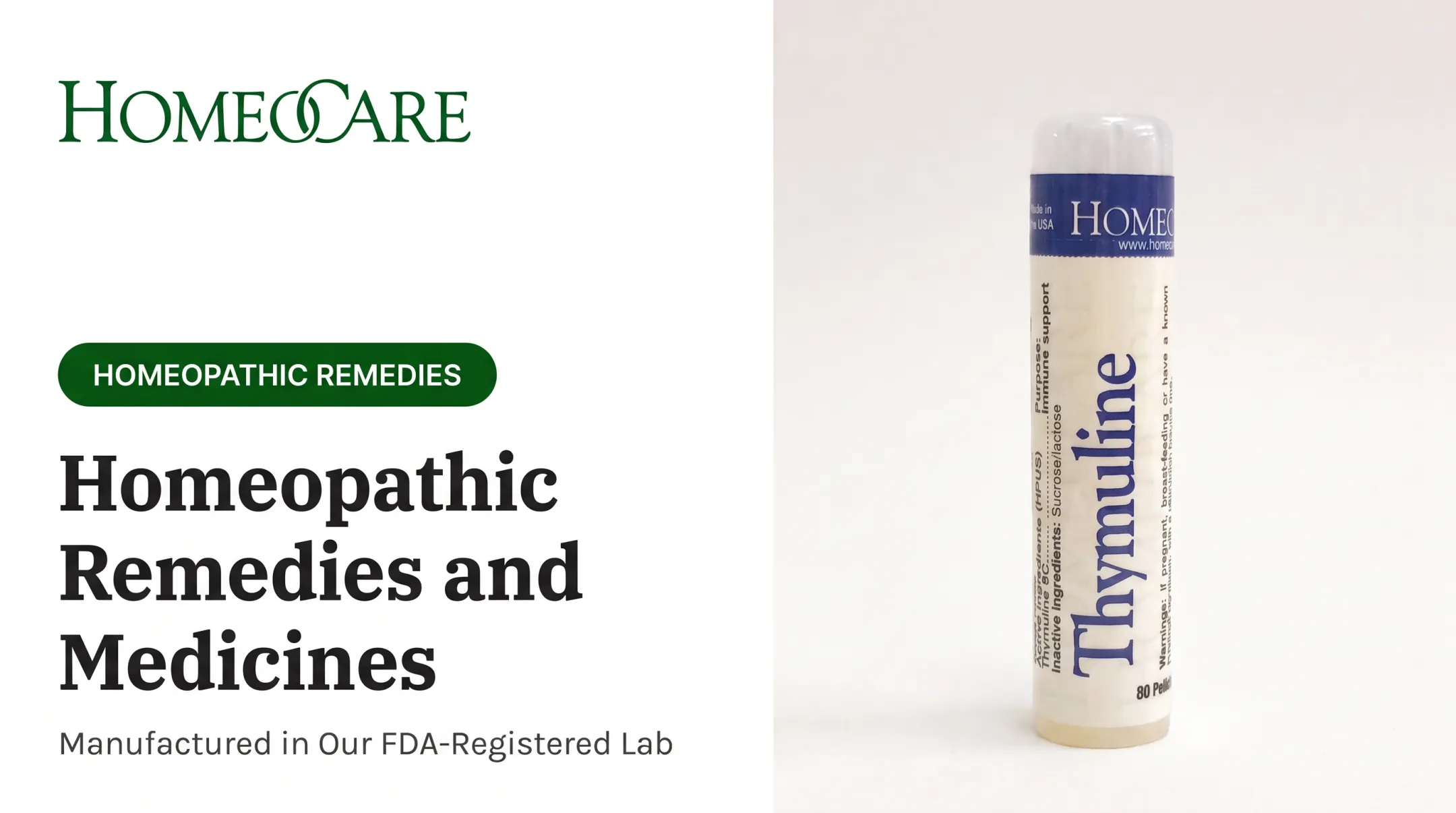
Homeocare's PMS Relief product illustrates this format. It is marketed for:
- Mood swings, irritability, and crying spells
- Breast tenderness, cramping, and bloating
- Acne
HPUS active ingredients listed include Folliculinum, Magnesia Phosphorica, Cuprum Metallicum, Natrum Sulphuricum, and Histaminum, with sucrose and lactose as inactive ingredients. Suggested use is 3 to 5 pellets, three times daily, for about 14 days before a period.

As with any OTC homeopathic product, these statements reflect traditional homeopathic practice and have not been evaluated by the FDA.
The FDA notes that homeopathic products sold in the US have not been reviewed for safety or effectiveness. Registering a manufacturing establishment is a compliance step — not proof that a specific product works.
Supportive Non-Drug Measures
Some measures help regardless of which remedy, if any, you choose:
- Apply heat on the lower abdomen for cramp relief
- Add gentle movement, such as walking
- Keep a consistent sleep schedule
- Stay hydrated and eat regular, balanced meals
- Use simple stress-management practices like breathing exercises or meditation
ACOG identifies exercise, sleep, and relaxation techniques as measures that may ease PMS-related fatigue and mood symptoms.
Supplements and herbal products are a separate category. They can carry side effects, quality variability, or drug interactions, so they need their own professional review — "natural" does not mean automatically safe. None of these measures should delay evaluation of symptoms that are severe, worsening, or unusual for you.
How to Choose an Option Safely
The right choice depends on your symptom goal, severity, medical history, and current treatments, not a popular online list. A few checkpoints help:
- Track your pattern. Note timing, severity, mood changes, bleeding, pain, and sleep across two or three cycles. Cramps, headaches, and emotional symptoms can have different causes, so don't treat a symptom label as a diagnosis.
- Check safety context first. Talk to a healthcare professional before use in pregnancy or breastfeeding, for adolescents, with chronic conditions, or alongside other medicines. Check labels for allergens, sugar, or alcohol.
- Set realistic expectations. Homeopathic theory, symptom-relief marketing, and controlled clinical evidence are not the same. Stop use and seek advice if symptoms worsen, you have an adverse reaction, or nothing improves within a reasonable trial.
- Look for transparent manufacturing. Clear labeling, quality-control information, and a traceable manufacturer matter. Homeocare, for instance, has operated since 1995 as an FDA-registered homeopathic OTC drug establishment with cGMP-compliant production. That manufacturing transparency is useful, but it does not prove any single product treats PMS.

What to Check Before Finalizing a Remedy
Run through these checks before you buy or start a remedy:
- Skip products chosen only for a "natural," "safe," or "for PMS" label — verify ingredients, directions, warnings, age group, and contraindications yourself.
- Avoid stacking homeopathic products, supplements, herbs, and OTC pain medicine unless a pharmacist or clinician reviews overlaps.
- Do not self-manage red flags: severe depression, self-harm thoughts, debilitating pain, unusually heavy bleeding, fainting, fever, or symptoms outside your normal pattern.
- Log symptoms and cycles, and set a check-in with a healthcare professional if symptoms recur, disrupt daily life, or don't improve with reasonable self-care.
Get assessed, don't keep self-treating, if symptoms persist or worsen. They can point to PMDD, endometriosis, fibroids, thyroid disease, migraine, or anemia.
Conclusion
PMS can touch nearly every part of your routine, from sleep to focus to mood. Homeopathic remedies are one complementary option people explore, but they come with real evidence and safety limitations worth understanding before you buy anything.
A few practical reminders:
- Individualized remedies and OTC combination products work differently
- Symptom-matching isn't a medical diagnosis
- Label details matter when you choose a product
Track your symptoms, lean on supportive self-care where it helps, and loop in a qualified US healthcare professional for anything severe, persistent, unusual, or emotionally distressing.
Frequently Asked Questions
What is the best natural remedy for PMS?
There's no single best option. Heat, gentle activity, consistent sleep, balanced meals, and stress management help many people. Talk with a healthcare professional before using supplements, herbs, or homeopathic products.
What is the best homeopathic medicine for menstrual cramps?
Homeopathic practice matches remedies to your full symptom picture, and no single product has reliable evidence behind it. Check the label carefully and consult a healthcare professional, especially for severe or unusual pain.
Can homeopathy help with PMS symptoms?
Homeopathic tradition describes symptom-based remedy associations, but current research offers little evidence that homeopathy effectively treats any specific condition. It shouldn't replace evaluation or effective treatment for significant symptoms.
How do I know if my symptoms are PMS or PMDD?
PMDD involves more severe mood symptoms and greater disruption to daily life and relationships than typical PMS. Track your symptoms across a few cycles and seek a professional assessment rather than self-diagnosing.
When should I see a doctor about PMS?
See a doctor for severe pain, unusually heavy bleeding, symptoms that disrupt daily life, new or worsening patterns, or suspected pregnancy. Depression or thoughts of self-harm need urgent support right away.