This article looks at what homeopathy actually is, what research does and doesn't say about its use for migraine, and how to explore complementary options without delaying a proper diagnosis or skipping treatment that's proven to work. We'll also cover how to read a product label, what warning signs mean you need medical care right away, and how tracking your symptoms can guide better decisions—whatever approach you choose.
Key Takeaways
- High-quality research hasn't reliably shown homeopathy prevents or treats migraine attacks.
- Migraine care should be based on your specific symptoms, triggers, and health history—not a one-size-fits-all remedy.
- "Natural" doesn't automatically mean risk-free; check labels and talk to a pharmacist before adding any new product.
- A migraine diary makes it easier to spot patterns and have a productive conversation with your doctor.
Understanding Migraine Headaches Before Considering Homeopathy
Migraine is a neurological condition, not just a severe headache. That distinction matters because it shapes how the condition is diagnosed and treated. Typical features include:
- Throbbing or pulsating pain, often on one side of the head
- Nausea or vomiting
- Sensitivity to light, sound, or smell
- Aura, visual or sensory disturbances that precede or accompany the headache
Acute treatment manages an attack once it starts. Preventive treatment aims to reduce how often attacks happen in the first place. These are different goals. No homeopathic product should be assumed to do either without solid evidence.
Common Triggers Vary by Person
Migraine triggers aren't universal. Common contributors include:
- Irregular sleep patterns
- Dehydration or skipped meals
- Stress or sudden stress relief
- Hormonal shifts
- Bright lights, strong smells, or loud noise
- Specific foods or medications
What triggers one person's migraine might do nothing to another's. That's part of why tracking your own patterns matters more than following generic advice.
When to Get Checked Out
Recurring, worsening, or first-time migraine-like symptoms deserve a professional evaluation. A doctor can confirm the diagnosis and rule out other causes that might mimic migraine but need different treatment entirely.
That clinical check also puts the condition’s scale in context. Migraine is more common, and more disabling, than many people realize.
A 2024 systematic review of U.S. population studies found prevalence ranging from 11.7% to 14.7% across the studies it examined, with rates notably higher among women. The same review found that a substantial share of people with migraine reported moderate-to-severe disability from their attacks.

What Does the Evidence Say About Homeopathic Migraine Treatment?
Homeopathy is a system developed in the early 1800s by German physician Samuel Hahnemann. It rests on two core ideas: "like cures like" and the "minimum dose."
Preparations are diluted so extensively that little to none of the original substance may remain. Remedies are selected from a person's symptom profile rather than a specific diagnosis.
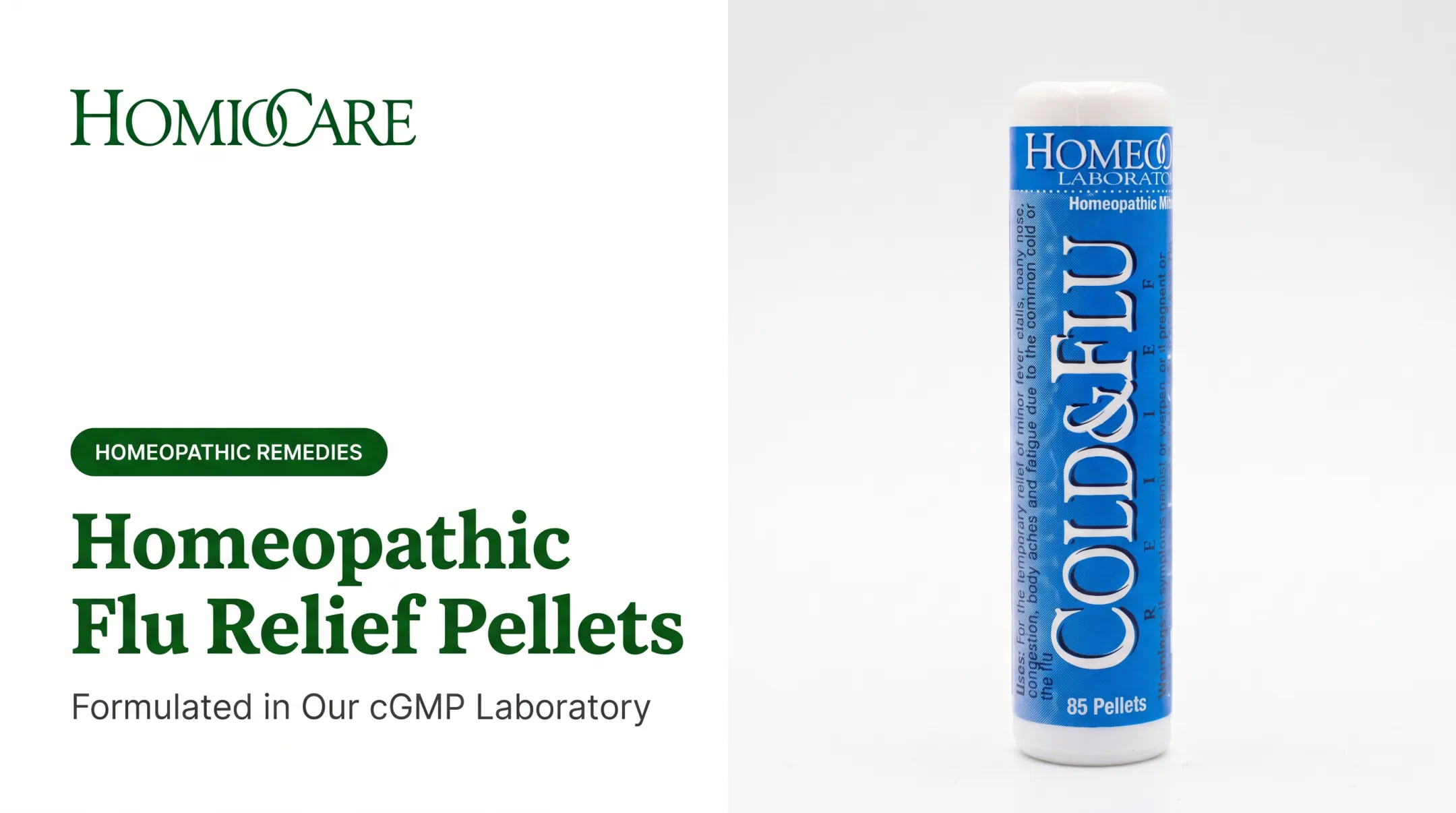
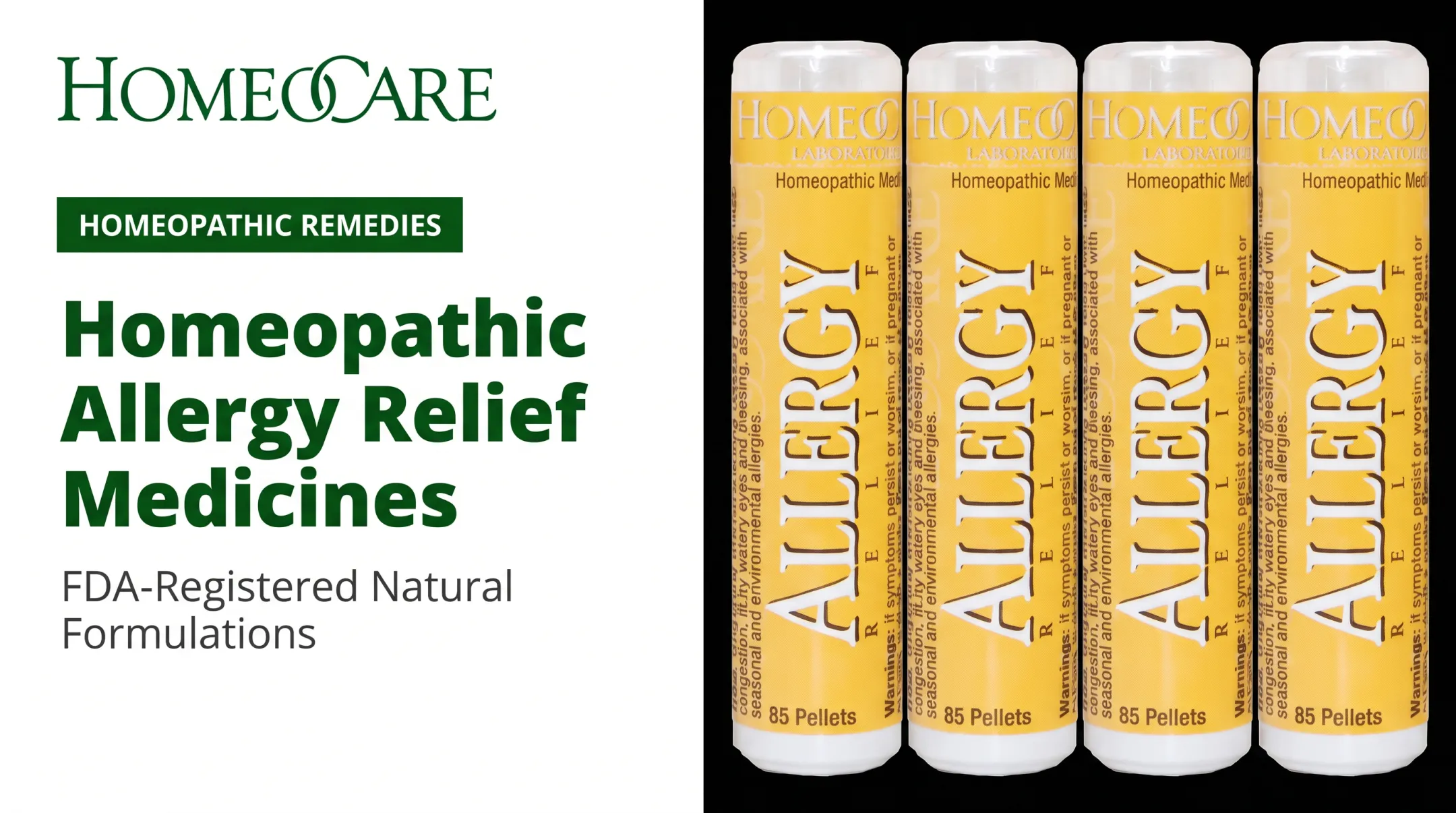
Homeopathy differs from herbal medicine, vitamins, and other supplements, which use measurable amounts of active ingredients and are studied differently. Homeopathic products occupy their own category, and manufacturers like Homeocare list them separately from herbal or nutritional lines for this reason.
What the Research Actually Shows
A systematic review of four randomized, placebo-controlled trials examining homeopathy for headache and migraine prevention found no evidence that it worked better than a placebo. That's an important distinction: the review addressed prevention specifically, not whether homeopathy relieves an attack already in progress.
One 2013 observational study followed 168 children receiving individualized homeopathic care and reported fewer migraine attacks over time. But the study had no untreated comparison group and wasn't randomized, so it can't establish that the homeopathic treatment, rather than time, growth, or other factors, caused the improvement.

Why Feeling Better Doesn't Prove Cause
Migraine symptoms naturally fluctuate. Several things can make a product seem effective even when it isn't:
- Placebo effect – expecting relief can genuinely reduce perceived pain
- Regression to the mean – severe attacks tend to be followed by milder ones regardless of treatment
- Simultaneous changes – better sleep, hydration, or a new medication taken around the same time
Researchers rely on placebo-controlled trials for this reason, not personal reports.
Traditional Remedies Aren't Clinical Proof
You'll often see ingredients like belladonna, Nux vomica, Gelsemium, or Natrum muriaticum listed on homeopathic headache products. These reflect traditional homeopathic practice—not clinically demonstrated migraine treatment. Product labels for these formulas typically disclaim accepted medical evidence for their claims, which is a useful detail to notice before assuming effectiveness.
Compare that with better-established migraine care: accurate diagnosis, evidence-based acute and preventive medications, behavioral strategies like stress management, and select supplements (more on those in the FAQ) that have some supporting research. Ask your clinician which of these options fit your specific situation.
How to Evaluate Homeopathic Drops and Named Products Safely
If you're considering homeopathic drops for migraine, start with the label—not the marketing copy. A complete Drug Facts label should include:
- Active and inactive ingredients, including dilution levels
- Directions for use and any age restrictions
- Warnings, including allergen information
- Storage requirements
- Manufacturer contact information for questions or reporting concerns
FDA Registration Isn't the Same as Proof of Effectiveness
FDA registration and cGMP compliance address manufacturing oversight and labeling standards, not whether a product treats migraine. No homeopathic product currently carries FDA approval for effectiveness.
Homeocare has operated in the homeopathic remedies space since 1995 and is an FDA-registered homeopathic OTC drug establishment with cGMP-compliant production. Those credentials speak to quality control in manufacturing, not to migraine treatment or prevention claims for any specific product.
Special Populations Need Extra Care
Talk to a pharmacist or clinician before using any homeopathic product if you're:
- Pregnant or breastfeeding
- Giving it to a child
- Older with multiple health conditions
- Living with liver or kidney disease
- Taking several other medications
- Experiencing frequent or worsening migraine attacks
Also keep these limits in mind:
- Don't delay urgent care for an unverified product
- Don't replace prescribed migraine medication without clinical guidance
- Don't exceed label directions
If you suspect an adverse reaction, tell your healthcare provider and report it through the FDA's MedWatch program.
Complementary Habits That Can Support a Migraine Care Plan
Steady habits around tracking, daily routine, and clinician check-ins can support the migraine plan you already follow.
A migraine diary is one of the most useful tools you can build, and it costs nothing. Track:
- When attacks start and how long they last
- Pain characteristics and any aura
- Nausea, sleep quality, and meal timing
- Hydration, hormonal patterns, and stress levels
- Suspected triggers and products used, including response
Patterns that seem invisible day-to-day often become obvious once they're written down.
Habits Worth Building
Alongside tracking, small habits you can keep week to week matter:
- Keeping sleep and meal times steady
- Staying hydrated throughout the day
- Moving your body moderately, as tolerated
- Practicing stress-reduction techniques that actually fit your routine
- Reducing personally identified triggers without overly restrictive diets
Bringing It to Your Clinician
When you're ready to discuss a complementary product with your doctor or pharmacist, come prepared with specific questions:
- What is this product supposed to do?
- What evidence supports it?
- Can it be combined safely with my current treatment?
- When should we reassess whether it's helping?
Brought into that visit, your notes and questions help you and your clinician judge what is worth continuing.

Frequently Asked Questions
What homeopathic drops are effective for migraine headaches?
No homeopathic drops have been reliably shown to treat migraine in high-quality research. If you're dealing with recurring migraine, get a proper diagnosis and discuss any product you're considering with a clinician or pharmacist first.
Which vitamin deficiency causes migraines?
Migraine isn't usually caused by one universal vitamin deficiency. Some supplements like riboflavin, magnesium, and coenzyme Q10 have research supporting preventive use in select patients. Work with a healthcare professional rather than self-diagnosing a deficiency.
What are SBL Relaxhed Drops used for?
Check the current product label and manufacturer information for the stated intended use and ingredients. A labeled homeopathic use isn't the same as proven effectiveness for migraine.
What is RL-35 homeopathic medicine used for?
Consult the official current label for this product's stated use and ingredients. Talk to a healthcare professional before use, especially if you're pregnant, breastfeeding, taking other medications, or dealing with persistent headaches.
Is homeopathy proven to treat migraine headaches?
No. Homeopathy hasn't been reliably demonstrated to treat or prevent migraine in controlled research. It shouldn't replace medical diagnosis, prescribed treatment, or emergency care when needed.
When should I seek medical care for a migraine?
Seek prompt or emergency care for:
- A sudden, severe headache or headache after a head injury
- New neurological symptoms, confusion, or fever with neck stiffness
- New headache during pregnancy or a significant change in your usual pattern