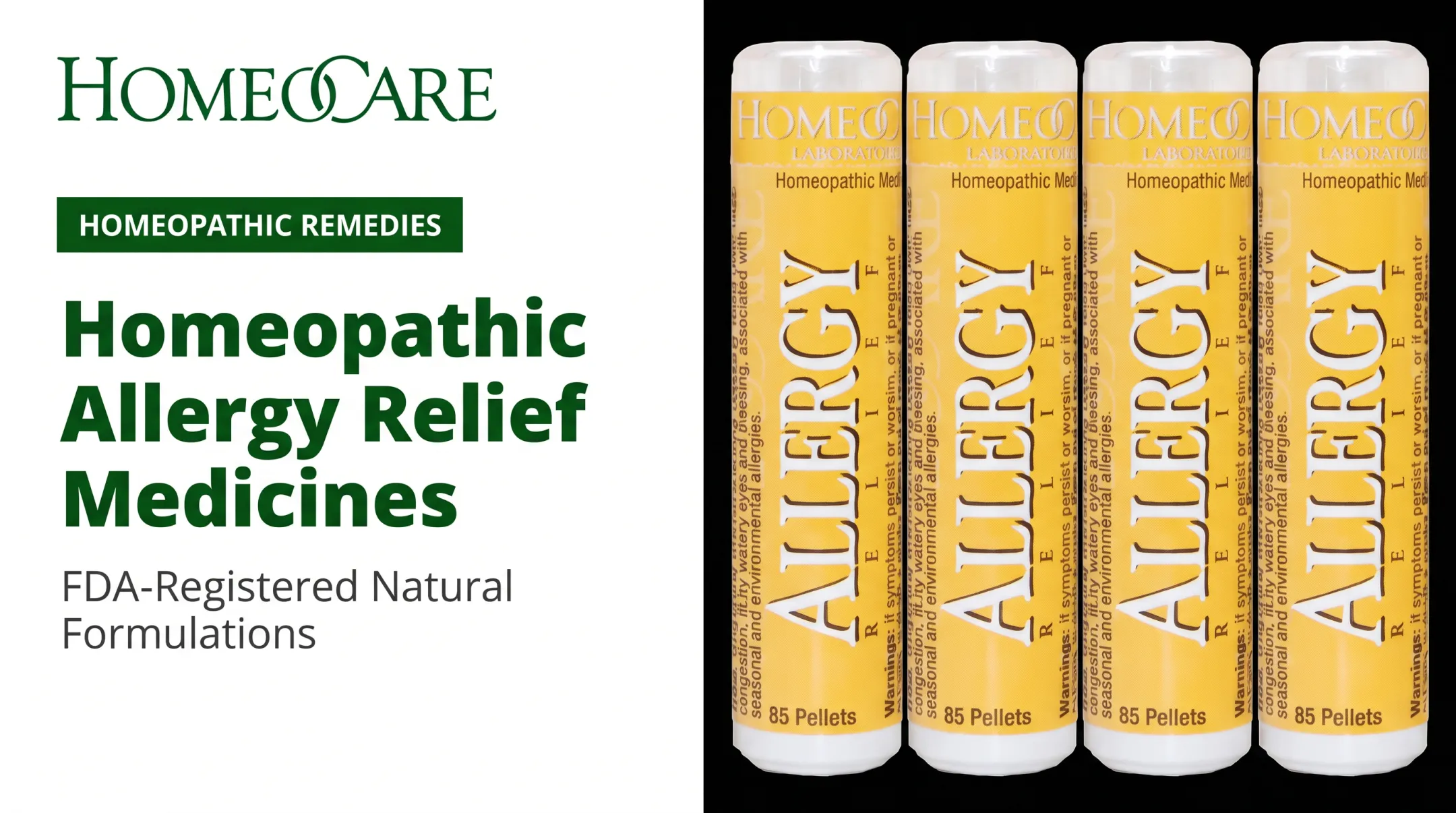
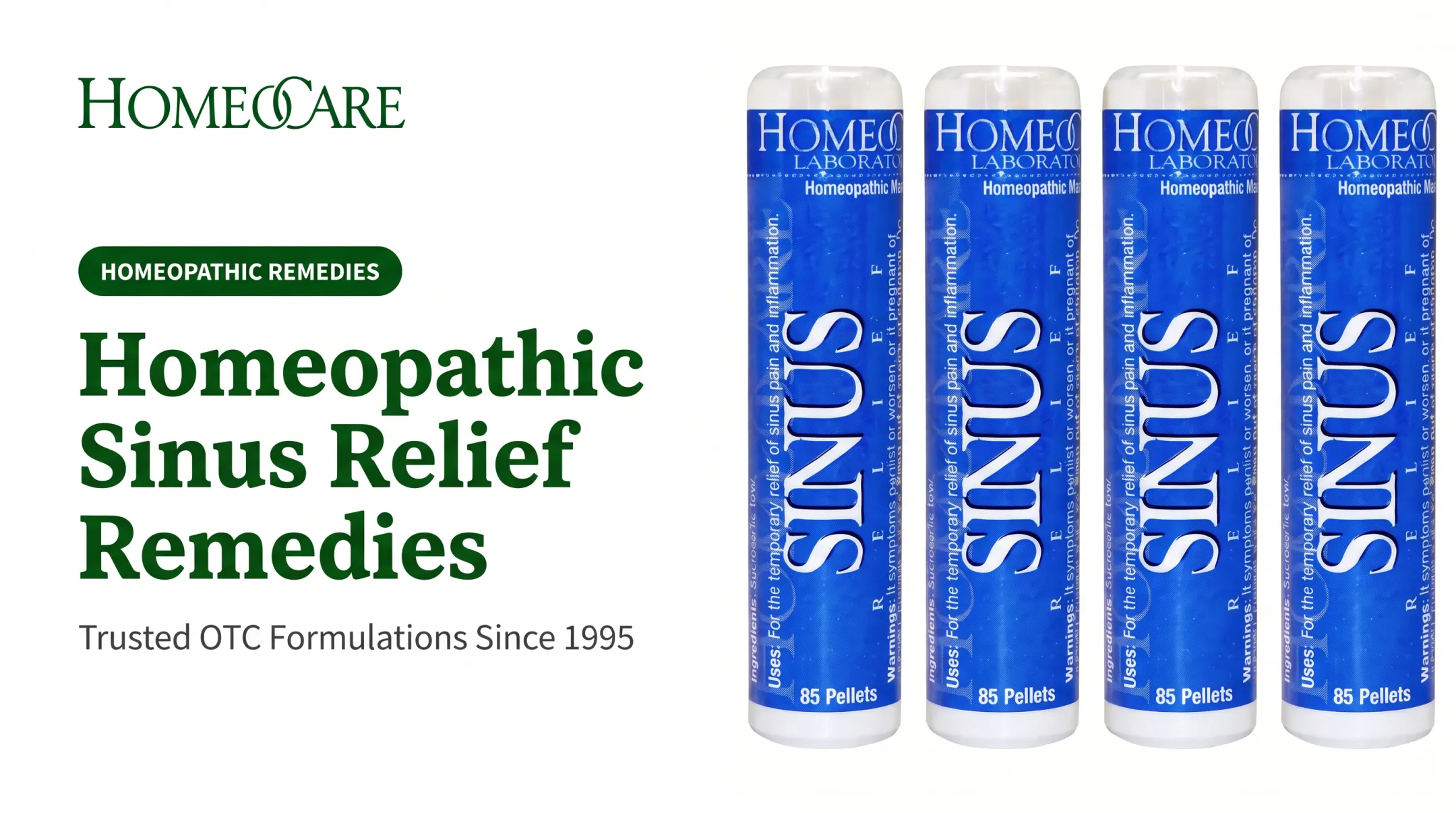
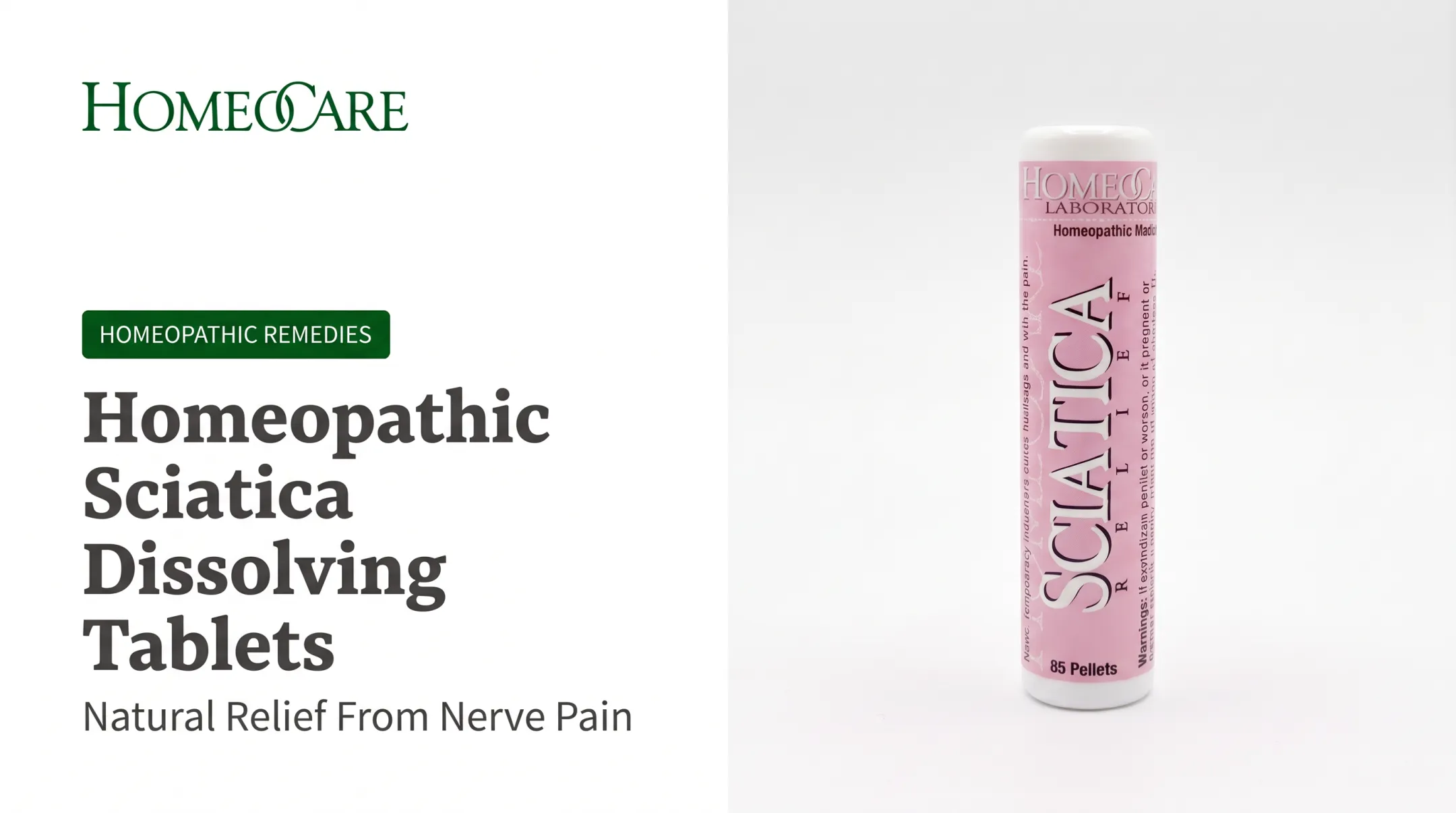
This article breaks down what homeopathic pellets actually are, how to evaluate and use them sensibly, and what current research says about their effectiveness. We'll also flag situations where self-care isn't enough and a doctor's visit becomes necessary. The goal here is balance: separating traditional homeopathic theory from what clinical evidence can actually support.
Key Takeaways
- Homeopathic flu pellets are tiny oral doses made by dilution; ingredients and directions differ by brand.
- Evidence for homeopathic flu relief is mixed—use pellets as support, not a stand-in for needed medical care.
- Check labels for age limits, allergens, pregnancy warnings, and what the product may claim.
- Get medical help promptly for severe symptoms or if you are at high risk for flu complications.
What Are Homeopathic Flu Relief Pellets?
A homeopathic pellet is a small sugar-based sphere, often lactose or sucrose, coated with a diluted homeopathic preparation.
Homeocare's Cold and Flu Relief formula, for example, lists sucrose and lactose as inactive ingredients, with HPUS-named actives such as Aconitum Napellus, Allium Cepa, Belladonna, and Gelsemium. Formulas vary by brand, so the product label is the only reliable way to confirm what is inside.

The Homeopathic Principles Behind the Pellet
Traditional homeopathy rests on a few core ideas:
- "Like cures like": a substance that causes symptoms in a healthy person is thought to help similar symptoms in someone who is sick
- Serial dilution and succussion: repeated dilution plus vigorous shaking, sometimes until no molecules of the original substance remain, according to the National Center for Complementary and Integrative Health
- The "law of minimum dose": the belief that smaller doses produce stronger effects
These are homeopathic theories, not mechanisms confirmed by mainstream pharmacology.
Flu-Like Symptoms Aren't the Same as Confirmed Flu
That distinction matters when you read a flu-relief label. Fever, fatigue, body aches, cough, and congestion can come from influenza, but also from a cold, RSV, or COVID-19.
The CDC's surveillance definition of influenza-like illness (fever plus cough or sore throat) does not require lab confirmation. A product marketed for "flu-like symptoms" may therefore address a broader set of illnesses than confirmed influenza.
Understanding Label Language and FDA Status
Product labels usually list a dilution notation (such as 9C or 200CK), active ingredients, inactive ingredients, suggested use, and warnings.
FDA registration of a drug establishment is not the same as FDA approval. According to the FDA's guidance on homeopathic products, homeopathic-labeled products have not been reviewed by the agency for safety or effectiveness. Registration means a facility is on file with the FDA; it does not verify that a specific product works.
Homeocare Laboratories, for instance, is an FDA-registered homeopathic OTC drug establishment and operates under cGMP-compliant manufacturing practices. That describes manufacturing oversight, not product efficacy.
How to Choose and Use Homeopathic Flu Relief Pellets Responsibly
Before buying or taking any homeopathic pellet, run through a quick label check:
- Stated purpose — What symptoms does the product claim to address?
- Active and inactive ingredients — Note dilution levels and fillers like sucrose or lactose.
- Dosing instructions — Serving size, frequency, and age restrictions.
- Allergens and warnings — Anything relevant to your health history.
- Storage and expiration — Confirm lot numbers and expiration dates before use.
Don't Stack Products Without Checking First
If you're already taking another OTC cold or flu remedy, don't add a homeopathic pellet without checking for ingredient overlap. This is standard advice for any OTC product.
The FDA specifically warns against doubling up on acetaminophen-containing medications, since that can lead to excessive dosing. Apply the same label-check habit whenever you combine remedies.

Who Should Check With a Doctor First
Homeopathic pellets are, at most, a complementary option for generally healthy adults with mild symptoms. They shouldn't delay testing, medical advice, vaccination, or antiviral treatment when those are appropriate. Before using any homeopathic product, check with a healthcare professional if you're:
- Pregnant or breastfeeding
- Considering use for a young child
- An older adult
- Managing a chronic condition like diabetes or asthma
- Immunocompromised
- Taking prescription or other OTC medications
"Natural" and "homeopathic" aren't universal safety guarantees. Formulations can contain sugar bases or other inactive ingredients that matter if you have allergies, manage blood sugar, or avoid lactose.
If you're comparing options, Homeocare's seasonal cold and flu products list directions, active ingredients, and warnings directly on the label. The company has operated since 1995 as an FDA-registered homeopathic OTC drug establishment with cGMP-compliant production.
That history speaks to manufacturing consistency, not proven efficacy for any specific condition. Always verify current label directions before use.
What Does the Evidence Say About Homeopathic Flu Relief Pellets?
According to NCCIH, there's little scientific evidence supporting homeopathy as an effective treatment for any specific health condition. The broader finding still leaves a practical question: what do flu-specific studies show?
Oscillococcinum: The Most-Studied Example
Oscillococcinum is among the most researched homeopathic flu product on the market, which makes it a useful case study, not a stand-in for every pellet product. A 2015 Cochrane review examined six trials:
- Two prevention trials found no statistically significant difference from placebo in preventing influenza-like illness.
- Four treatment trials showed some low-quality evidence of symptom relief at 48 hours, but no significant difference by day four or five.
The reviewers noted poor reporting and possible bias, which limits how much confidence we can place in those findings. Low-certainty evidence at one time point doesn't equal a proven treatment effect.
Why Study Quality Changes the Picture
Not all research carries equal weight. When evaluating any claim about a homeopathic product, ask:
- Was there a proper placebo comparison?
- How large was the sample size?
- Were outcomes clearly defined and results replicated?
- Were there any conflicts of interest?
A single small study with vague outcomes tells you far less than a large, well-designed trial with a clear endpoint.
The Placebo Question and Natural Recovery
Feeling better after taking a pellet doesn't automatically mean the pellet treated an infection. Most colds resolve on their own within 7 to 10 days, according to the Mayo Clinic. If symptoms improve during that window, it can be hard to separate natural recovery from any effect of a product taken along the way.
Rest, fluids, and appropriate fever or pain management remain the backbone of supportive care for uncomplicated respiratory illness. For eligible patients, particularly those at higher risk, timely evaluation for prescription antivirals matters more than any OTC symptom-support product.

Safety, Limitations, and When to Seek Care
Homeopathic pellets shouldn't be relied on to:
- Prevent flu complications
- Eliminate the influenza virus
- Replace vaccination
- Substitute for clinician-recommended antivirals
Self-care has limits, and knowing those limits matters.
Who Should Seek Prompt Medical Advice
Certain groups face a higher risk of flu complications, according to the CDC:
- Adults 65 and older
- Children younger than 5, especially under 2
- Pregnant people (through two weeks postpartum)
- People with asthma, heart disease, diabetes, or other chronic conditions
- Anyone with a weakened immune system
Warning Signs That Need Immediate Attention
Don't wait these out. Seek care right away for:
- Trouble breathing or chest pain
- Confusion or persistent dizziness
- Signs of dehydration
- Bluish lips or face
- Symptoms that improve, then suddenly worsen
Flu and COVID-19 can look nearly identical, so testing or clinical evaluation may be the only way to know what you're dealing with.
A quick note: this article is educational. It doesn't diagnose illness or decide whether a product is right for you—those calls belong with a healthcare professional who knows your history.
Frequently Asked Questions
What are the best homeopathic pellets for colds and flu?
No single product is best for everyone. Compare labels, evidence, and safety details for your situation, and talk to a healthcare provider if symptoms or risk factors warrant it.
Are homeopathic drops effective for treating colds and flu?
Drops and pellets are simply different dosage forms; effectiveness should be assessed by product and condition, not by format. Current evidence doesn't reliably show either form treats influenza itself.
Does Oscillococcinum (Anas barbariae 200C) actually work?
Evidence remains mixed and low-certainty. Some trials show modest symptom relief at 48 hours but not later, and prevention trials showed no significant benefit over placebo.
Who shouldn't take Oscillococcinum?
Check the current product label and consult a healthcare professional, especially if you're pregnant, managing diabetes or allergies, caring for a young child, or taking other medications. Severe symptoms warrant medical evaluation rather than self-care alone.
What is a homeopathic pellet?
It's a small, typically sugar-based dosage form onto which a diluted homeopathic preparation is applied. Label details vary by product, and homeopathic theory shouldn't be confused with clinically established treatment evidence.